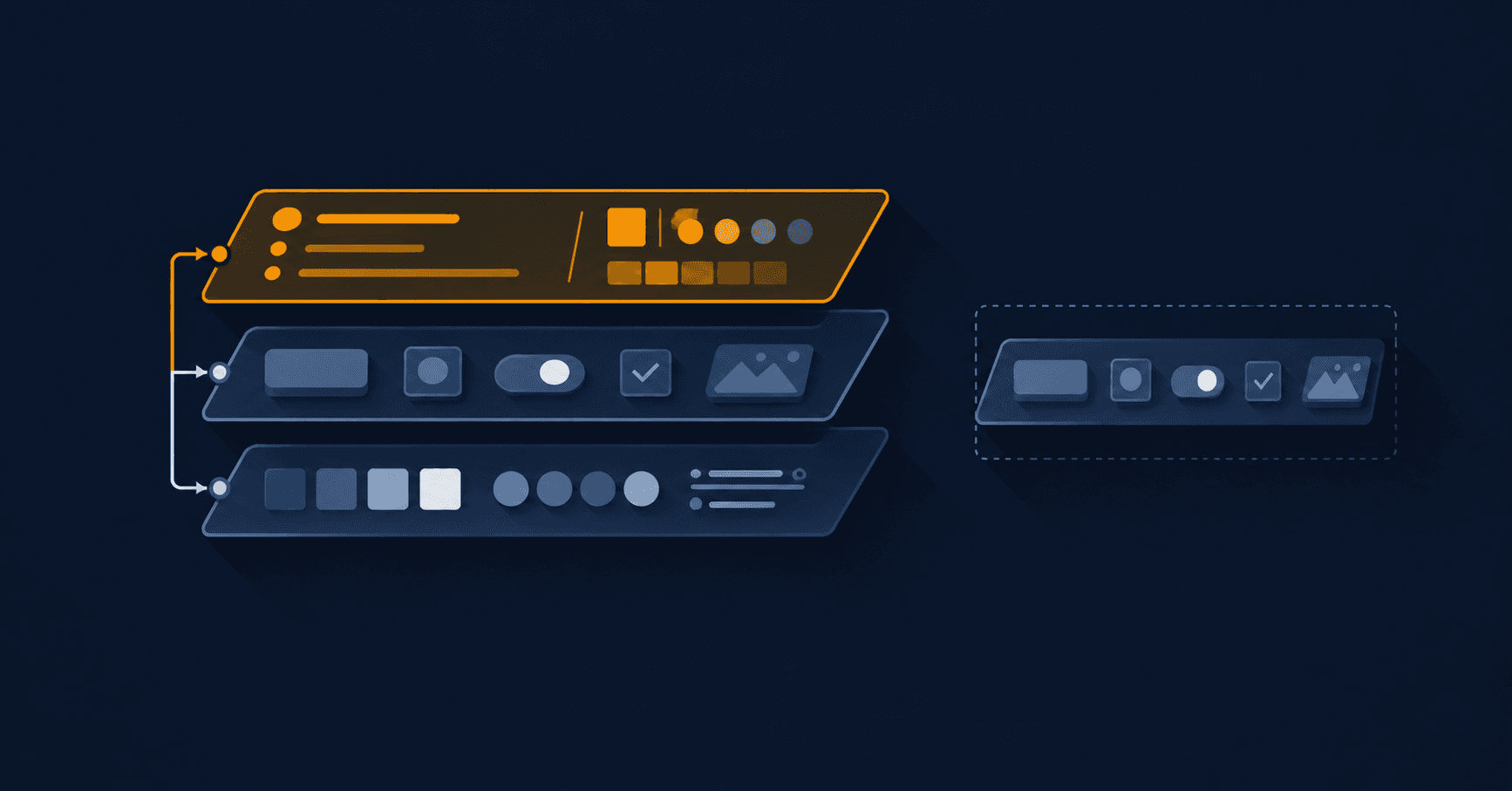
Atomic components that actually get reused (not just in theory)
Atomic design is easy to explain and often applied badly: components that are technically atomic but that nobody reuses because they were born coupled to a single screen.
Read note →Notes on development, design, and the decisions behind them.
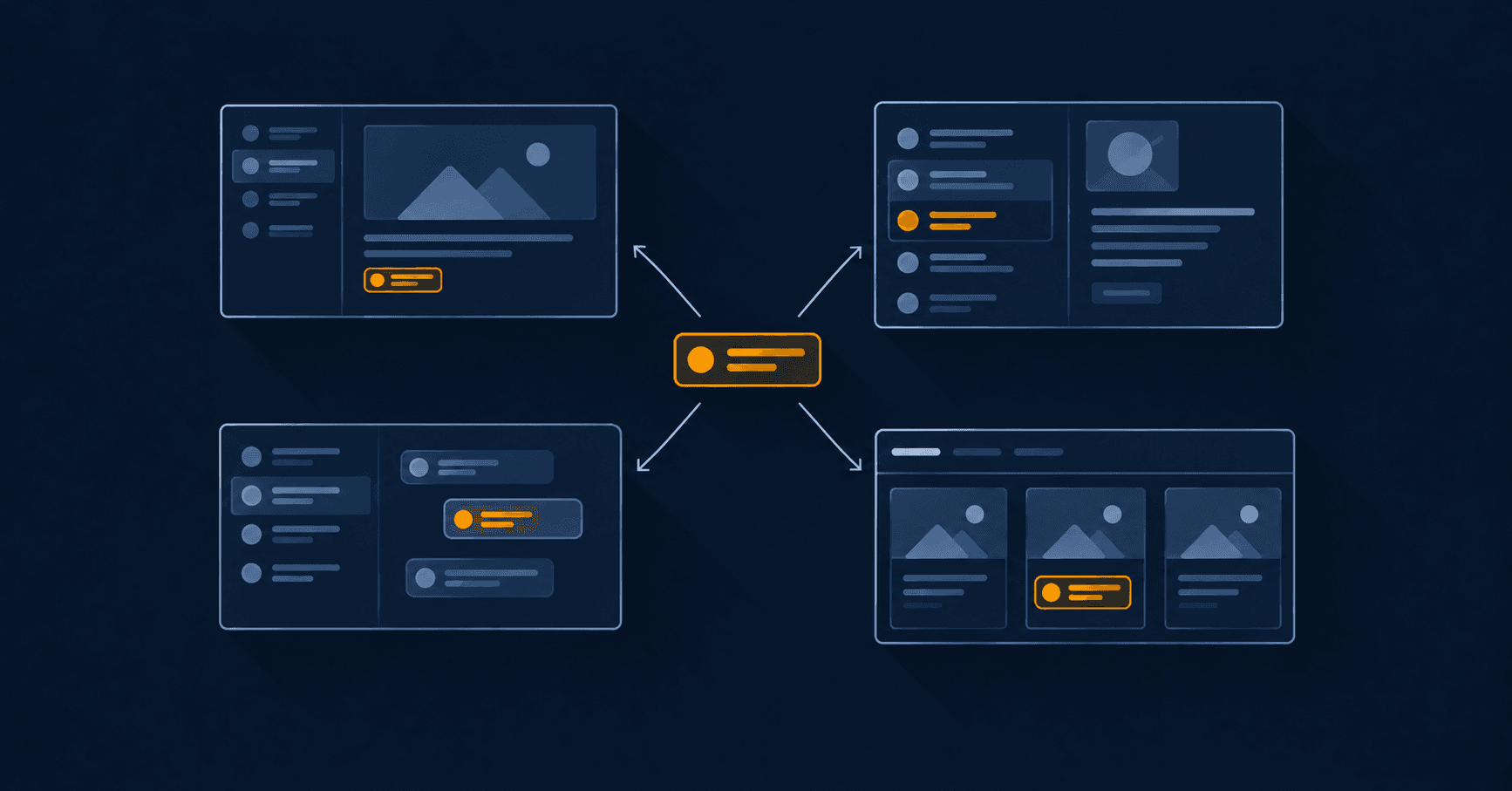
Atomic design is easy to explain and often applied badly: components that are technically atomic but that nobody reuses because they were born coupled to a single screen.
Read note →
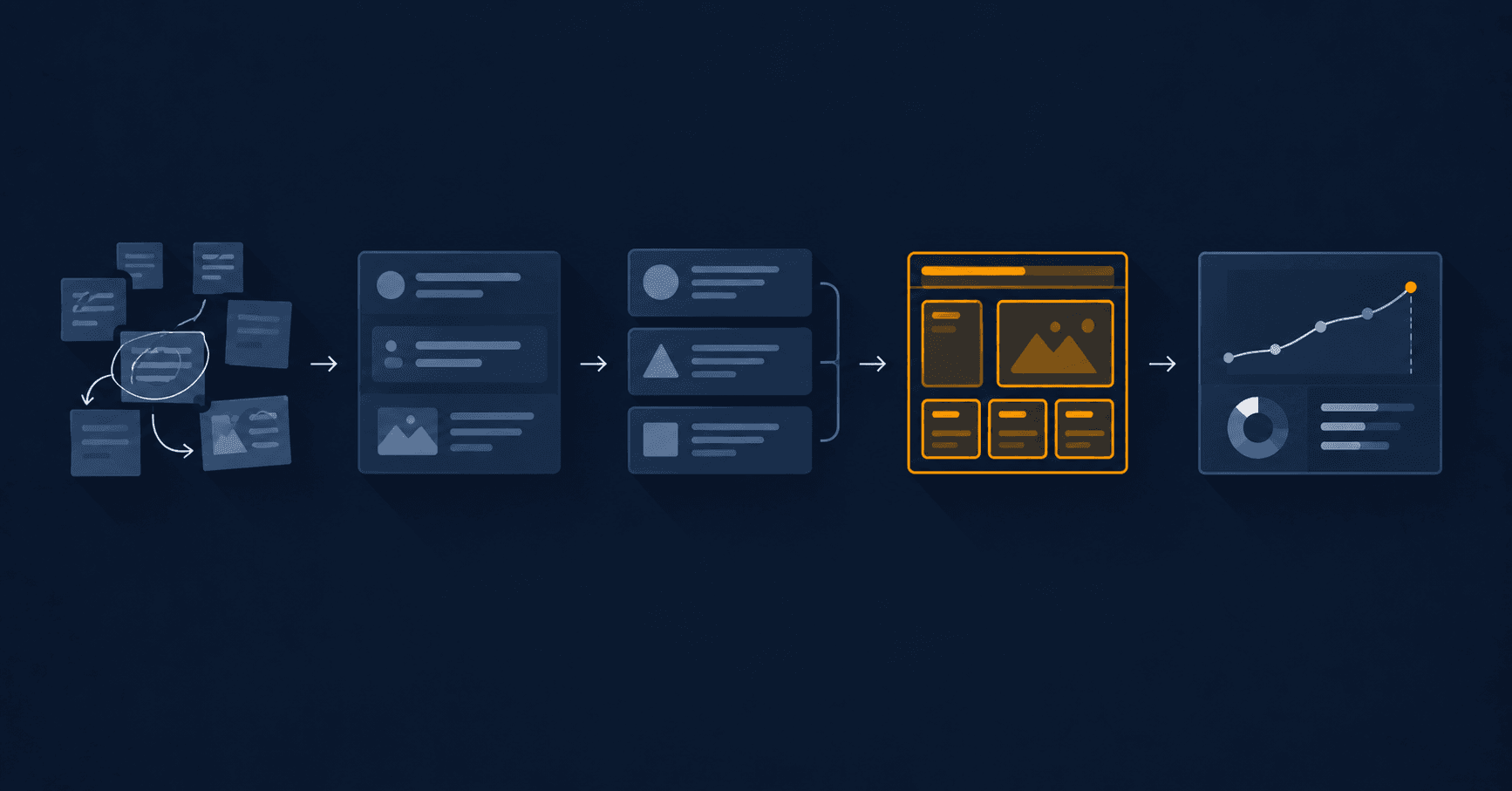
The five stages I work through before calling an interface finished, with real numbers from the redesign I did for Argentina's largest tech retailer.
Read note →
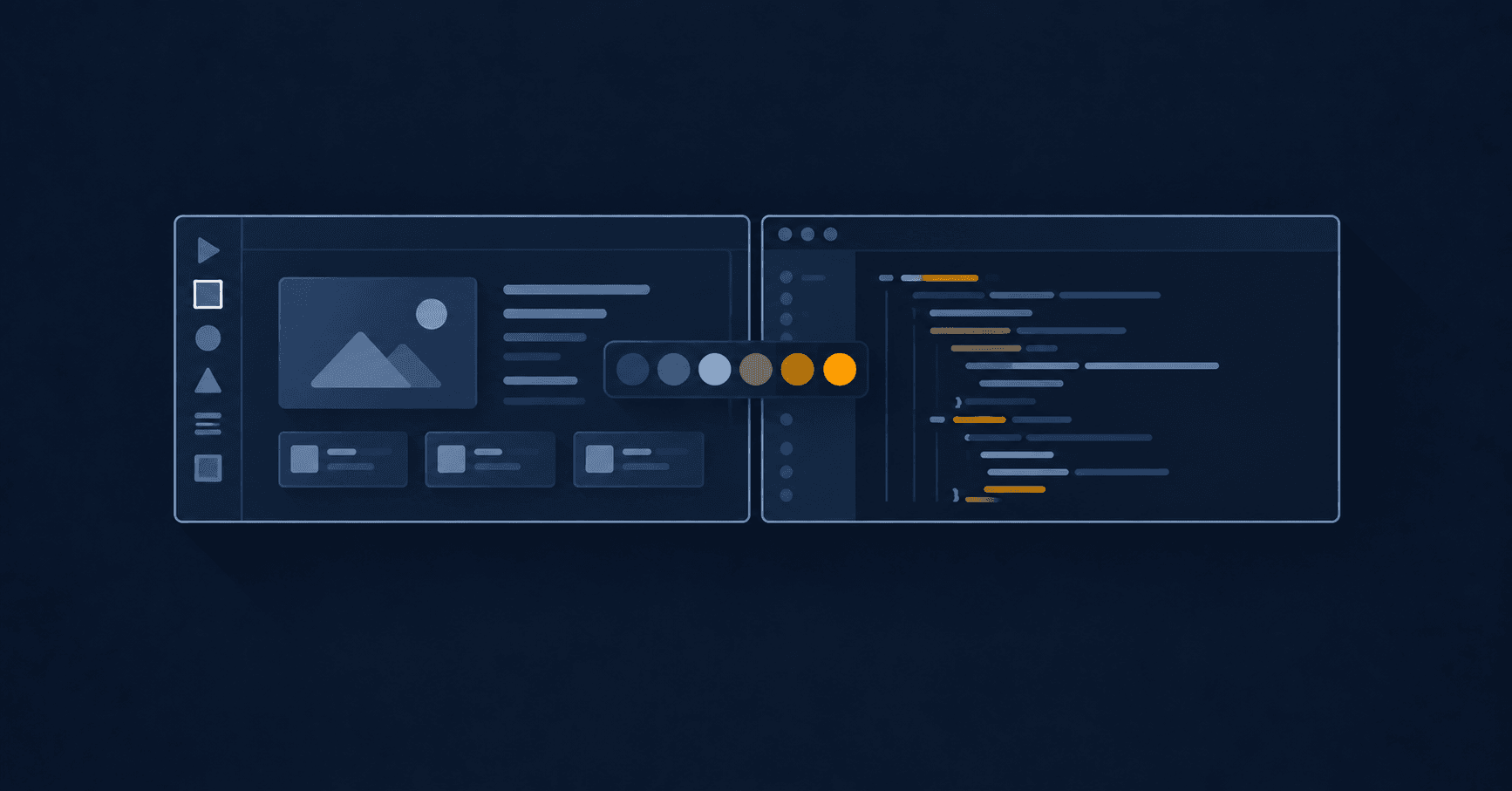
Designing and coding the same product changes the order of decisions. How I organize the path from a Figma file to real components, without the friction of two people passing a file back and forth.
Read note →
Building a design system for a single-screen project is spending two weeks on flexibility nobody will use. When it's worth it and when it's over-engineering with a fancier name.
Read note →
A design token isn't a decorative best practice: it's what turns changing a colour into one line instead of a component-by-component search. How I organize them and how they cross into code.
Read note →
Adding accessibility later means redoing work. The three free checks I run from the very first component, and why they're cheaper in the design than in the code.
Read note →